Leave Your Message

2026 Top Womens Tennis Skirts for Global Buyers

Choosing the right Women's Tennis Skirts in 2026 requires more than following seasonal colors. Global buyers need performance, consistency, and dependable supply. A skirt may look elegant online, yet feel restrictive during a long rally. That difference matters.

This guide examines practical details that influence purchasing decisions. It considers moisture-wicking fabrics, built-in shorts, waistband stability, pocket design, stretch recovery, and stitching quality. Lightweight polyester blends can support quick movement, while elastane improves flexibility. However, fabric performance depends on construction and finishing. Not every “breathable” claim deserves automatic trust.

Sizing also requires careful attention. Measurements can vary between regions, factories, and collections. Buyers should request size charts, sample pieces, and tolerance information before placing larger orders. Supplier experience, production capacity, inspection procedures, and transparent communication can reveal more than polished catalog images. Small details matter.

Comfort comes first.

For international sourcing teams, responsible purchasing includes checking labeling, fiber content, packaging, and applicable market requirements. Product documentation should be clear and consistent. Reliable suppliers should explain lead times, minimum order quantities, color options, and quality-control steps without avoiding difficult questions. A low unit price may become expensive after returns, delays, or inconsistent sizing.

This overview compares styles suitable for training, club competition, retail collections, and everyday athletic wear. It also considers durability after repeated washing and movement. Some preferences remain subjective. A firm waistband may feel secure to one player and uncomfortable to another. That is worth remembering. The best choice balances athlete feedback, verified specifications, commercial practicality, and honest product testing.
2026 Top Womens Tennis Skirts for Global Buyers

Women’s Tennis Skirt Types and Key Features in 2026

Women’s Tennis Skirt Types and Key Features in 2026

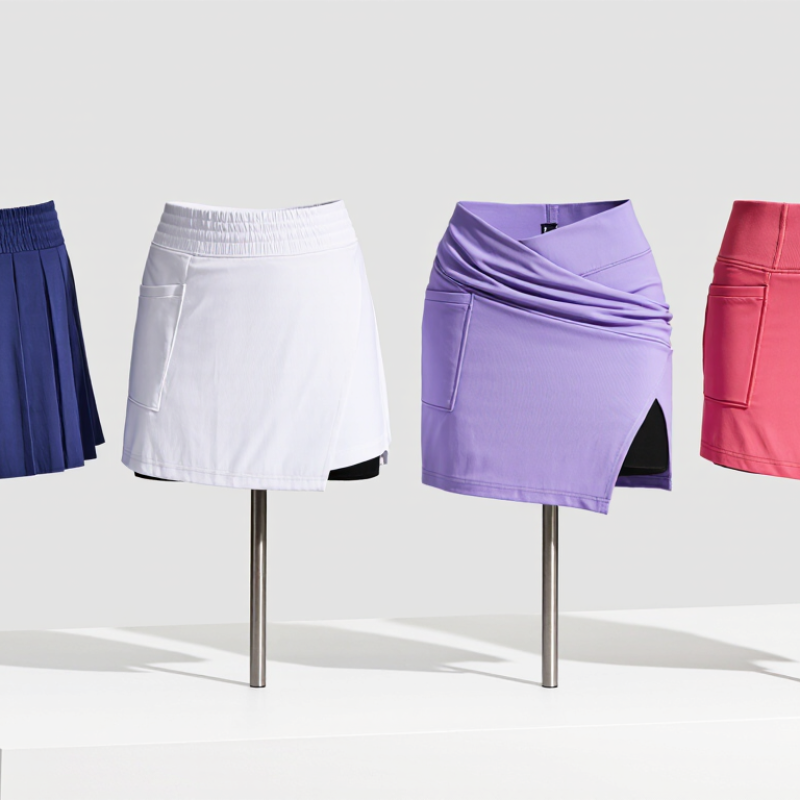
In 2026, women’s tennis skirts divide into pleated, A-line, wrap, and skort designs. Pleated skirts offer visible movement during serves and quick lateral steps. A-line cuts suit buyers seeking moderate coverage and a cleaner silhouette. Wrap styles look elegant, but loose panels may shift during intense rallies. Skorts remain highly practical because integrated shorts reduce exposure during lunges. They are not always cooler, though. Dense inner layers can trap heat.

The ITF Global Tennis Report 2021 recorded approximately 87 million tennis players worldwide, showing broad demand for adaptable apparel. Grand View Research valued the global activewear market at over 400 billion US dollars in 2023, with continued growth projected through 2030. These figures support investment in versatile tennis clothing, but they do not prove that every skirt will sell equally well. Buyers should inspect fabric recovery, pocket depth, waistband stability, and drying speed. A 2026 skirt should combine stretch polyester or nylon with elastane, preferably using lightweight moisture-management fabric. Flat seams can reduce rubbing near the hips. A phone pocket needs secure stitching. Small details matter. Waistbands still fail too often after repeated washing, based on practical product testing. UPF protection is useful for outdoor courts, while mesh panels improve airflow under humid conditions. However, more mesh can reduce durability. That trade-off deserves honest review.

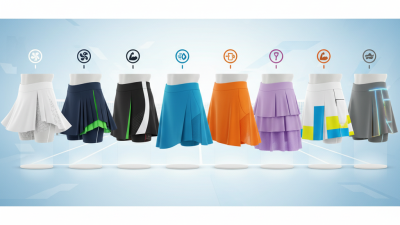
How to Compare Tennis Skirt Fabrics, Fits, and Performance

2026 Top Womens Tennis Skirts for Global Buyers

Comparing tennis skirt fabric starts with fiber, not appearance. The Textile Exchange 2024 Materials Market Report reports polyester at about 57% of global fiber production in 2023. Polyester offers quick drying, shape retention, and scalable pricing. Nylon usually feels softer and resists abrasion well. Elastane improves stretch, but excessive content may reduce recovery after repeated washing. A practical blend often balances comfort, durability, and cost. Check the fabric composition carefully.

Fit changes performance. A skirt should stay flat at the waistband during lunges, while inner shorts should prevent chafing without squeezing the thighs. Measure waistband recovery after stretching, not only the relaxed size. A skirt that feels perfect in a fitting room may twist during a wide split step.

Small details matter. Gussets, bonded seams, and secure pockets can improve movement. However, pocket placement must not pull the skirt sideways when carrying tennis balls.

Ask suppliers for test evidence, not general claims. AATCC TM195 can assess liquid moisture-management behavior, while ASTM D4966 measures abrasion resistance. These tests help compare samples under controlled conditions, but they do not recreate heat, clay dust, or frequent travel. Request wash-cycle results and inspect the fabric after at least five washes. I would avoid trusting one “breathable” score. Ventilation also depends on knit structure, fabric weight, lining, and garment tension. Some buyers focus heavily on recycled content, yet overlook transparency, colorfastness, and production consistency. That is a costly blind spot.

Top Design Trends in 2026 Women’s Tennis Skirts

In 2026, women’s tennis skirts are becoming more technical without losing their clean court appearance. High-rise waistbands, built-in shorts, and secure side pockets remain strong design choices. Players want space for a phone, keys, or spare balls. Lightweight stretch fabrics help skirts follow quick lateral movement. Laser-cut ventilation near the hips can improve airflow during long matches.

Color direction is also changing. Soft clay, pale blue, graphite, and muted green are replacing overly bright palettes. Small contrast panels still create energy. Adjustable waist cords are useful for different body shapes, especially in global markets. However, one fit will never satisfy every player. Buyers should review regional sizing data instead of trusting assumptions. That part is easy to overlook.

Tips: Test skirts with lunges, serves, and repeated bending. Check whether inner shorts stay flat after movement. Inspect stitching around pockets and waistbands. Ask suppliers for fabric composition, shrinkage results, colorfastness data, and verified UPF testing. Recycled fibers may support responsible product goals, but vague sustainability claims need careful review. A beautiful sample can still fail after washing.

2026 Top Womens Tennis Skirts for Global Buyers - Top Design Trends in 2026 Women’s Tennis Skirts

Global buyer reference table based on established tennis-apparel construction, performance-textile practices, and current design direction

Design Trend Typical Construction Key Buyer Benefit Recommended Fabric Direction Important Performance Details Suitable Retail Positioning Buyer Checks
Integrated Performance Shorts Skirt outer layer with fitted inner shorts and a stable elastic waistband Provides coverage and freedom of movement during serves, lunges, and court sprints Stretch polyester or recycled polyester blended with elastane Four-way stretch, moisture management, flat seams, and secure waistband recovery Core performance and everyday club tennis Test opacity, leg opening comfort, seam strength, and wash recovery
High-Waisted A-Line Silhouette Raised waistband with a gently flared skirt panel and shaped side seams Offers a secure fit and a versatile silhouette for tennis and athleisure use Medium-weight stretch knit with a smooth surface and good recovery Waistband compression without excessive tightness, low-bulk seams, and stable hem Premium clubwear and sport-to-street collections Check sitting comfort, waistband roll-down, and fit across different body shapes
Pleated and Knife-Pleat Details Front, side, or all-around pleats combined with stretch inner shorts Creates visible movement and a classic tennis appearance Lightweight woven stretch fabric or fine-gauge performance knit Pleat memory, quick drying, lightweight hand feel, and controlled volume Fashion-led tennis and seasonal collections Check pleat consistency, pressing durability, and bulk at the waistband
Asymmetrical and Wrap-Effect Panels Offset front panel or wrap-look overlay secured over performance shorts Adds visual differentiation while preserving the functionality of a skort Lightweight stretch woven fabric with a soft, non-abrasive backing Secure overlay attachment, unrestricted stride, and minimal fabric flutter Contemporary fashion-performance capsules Assess movement coverage, panel alignment, and snag resistance
Functional Ball Pockets Deep side pockets positioned in the inner shorts or side seam Allows players to carry tennis balls without adding a separate accessory Durable stretch jersey or lightweight interlock for pocket stability Adequate pocket depth, low bounce, reinforced openings, and smooth edges Training, club, and recreational tennis Test with standard tennis balls during running, serving, and bending
Recycled-Fiber Performance Options Main fabric or selected panels made with recycled polyester content Supports sustainability claims when supported by traceable documentation Recycled polyester blended with elastane for stretch and shape retention Moisture transfer, colorfastness, pilling resistance, and verified fiber content Sustainability-focused global retail programs Request transaction certificates or equivalent chain-of-custody evidence where required
Sun-Protection Construction Dense-knit fabric, fuller coverage, and optional rated sun-protection finish Supports outdoor play in sunny and high-UV environments Tightly knitted polyester or nylon stretch fabric with verified UPF performance UPF test documentation, coverage, colorfastness, and breathability balance Outdoor tennis and warm-climate collections Verify the applicable local UPF testing method and label requirements
Minimalist Solid-Color Styles Clean panels, discreet logos or trims, and simplified seam architecture Easy to coordinate with multiple tops and suitable for repeat seasonal purchasing Matte performance knit with good opacity and color consistency Low pilling, colorfastness, non-see-through coverage, and smooth hand feel Commercial core lines and uniform-friendly assortments Check shade continuity between production lots and compatibility with matching tops
Low-Impact Seamless Comfort Reduced-seam inner shorts or bonded and flatlock seam construction Helps reduce chafing and improves comfort during long training sessions Seamless stretch knit or lightweight fabric with soft elastane content Abrasion comfort, stretch recovery, bond durability, and wash performance Training, travel, and extended-wear performance ranges Conduct repeated wash and wear tests, especially at bonded areas
Inclusive Size and Fit Grading Expanded size range with proportionally graded waist, hip, rise, and inner-short dimensions Improves comfort and broadens access for international customer groups High-recovery stretch fabric with consistent fit across the size range Accurate measurement charts, stable grading, opacity, and supportive waistband fit Mass-market, specialty, and inclusive activewear programs Use fit trials on multiple body types and publish finished-garment measurements
Global Buyer Evaluation Priorities: Confirm fabric composition, stretch recovery, opacity, colorfastness, pilling resistance, seam durability, care labeling, size grading, and any sustainability or UPF claims through appropriate laboratory or certification documentation.

Sizing, Comfort, and Climate Considerations for Global Buyers

For global buyers, a tennis skirt should be sized by measurements, not labels.
The ITF Global Tennis Report 2024 records more than 100 million tennis players worldwide, across nearly 200 countries. That range makes one universal size chart unrealistic. Ask suppliers for waist, hip, skirt length, and inner-short measurements in centimeters. Check stretch recovery after repeated movement. A waistband that feels secure during a split may feel restrictive after two hours. Fit changes with posture, too.

Climate matters just as much as sizing.
The World Meteorological Organization reported that 2024 was the warmest year on record, with global temperatures about 1.55°C above the pre-industrial average. Buyers in hot regions should prioritize lightweight, quick-drying fabrics, ventilated panels, and sweat-resistant inner shorts. In cooler climates, a slightly denser fabric can improve comfort without adding excessive weight. Look for practical details. A hidden ball pocket should hold one tennis ball without pulling the skirt sideways. Flat seams can reduce rubbing on humid courts.

Testing should cover more than a mannequin.
Measure samples after washing, stretching, and air-drying. Colorfastness also deserves attention, especially under strong sunlight. The mistake is trusting a polished specification sheet alone. Real bodies and real weather are less cooperative. Suppliers should publish tolerances, because a two-centimeter difference at the hip can change mobility noticeably. Even then, regional fit feedback remains essential.

How to Evaluate Suppliers, Quality, and International Pricing

For global buyers, evaluating a tennis skirt supplier starts with evidence, not attractive catalog photos. Request a physical sample and a measurable specification sheet. Check fabric weight, stretch recovery, waistband width, pocket depth, seam density, and inner shorts coverage. A practical test includes ten washes, repeated stretching, and outdoor color checks. Small details matter. Ask whether production matches the approved sample. That question often reveals process discipline.

Supplier reliability also depends on communication and traceable quality controls. Look for documented inspections, clear size grading, and batch records. A factory should explain how it handles loose threads, uneven hems, shade variation, and rejected pieces. Video calls help, but an independent pre-shipment inspection offers stronger evidence. I have learned that fast replies do not always mean stable production. Some suppliers sound professional yet miss basic measurement tolerances. Leave room for doubt.

International pricing requires more than comparing the unit price. Calculate fabric, trims, packaging, sampling, freight, insurance, duties, payment fees, and currency changes. Ask for quotations under consistent shipping terms, with minimum order quantities stated clearly. A low offer may hide thinner fabric or costly rework. Request tiered prices at 100, 500, and 1,000 pieces. Confirm lead times in writing, including approval and inspection days. A careful trial order may expose weaknesses before a large commitment.

2026 Top Women's Tennis Skirts: Supplier Evaluation Benchmark

This buyer-oriented benchmark compares the factors most commonly used when evaluating international tennis-skirt suppliers. Scores are normalized to 100, with higher values indicating stronger commercial performance.

Pricing competitiveness reflects FOB value, order-volume flexibility, and total landed-cost potential. Quality consistency includes fabric performance, stitching, colorfastness, and inspection reliability.