Leave Your Message
- Phone
- E-mail
- Skype
- Wechat

- Whatsapp
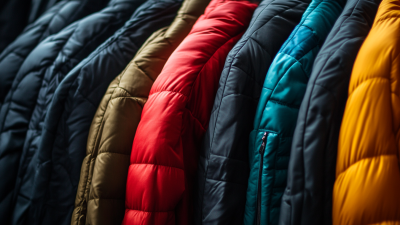
Men’s outerwear is no longer judged by warmth alone. Shifting weather, commuting habits, and material concerns are changing how buyers evaluate winter clothing. This makes Men’s Padded Jackets&Coats a practical category, but not a simple one.
The Textile Exchange Materials Market Report 2024 recorded global fiber production at approximately 124 million tonnes in 2023. Polyester represented about 57% of that volume, highlighting the material scale behind many synthetic insulated jackets. The report also stresses the need for better traceability and lower-impact production. Grand View Research similarly identifies insulation performance, lightweight construction, and rising outdoor participation as important forces in the global winter-wear market.
Small details matter. A hood that blocks side wind can improve comfort. A two-way zipper helps cyclists and seated commuters. Recycled shell fabric may reduce reliance on virgin resources, yet it does not automatically make a jacket sustainable.
There is no perfect choice.
Fashion sustainability advocate Orsola de Castro said, “The most sustainable garment is the one already in your wardrobe.” Her statement reaches beyond padded clothing, but it challenges careless buying. A durable coat, worn frequently and repaired when needed, may outperform a cheaper replacement.
This guide examines the top 10 types of Men’s Padded Jackets&Coats, from lightweight quilted jackets to insulated parkas. Each style has trade-offs involving warmth, weight, mobility, weather resistance, and maintenance. The ranking is useful, but imperfect. Climate, body shape, and daily routine can change the best answer.
Top 10 Types of Men’s Padded Jackets and Coats
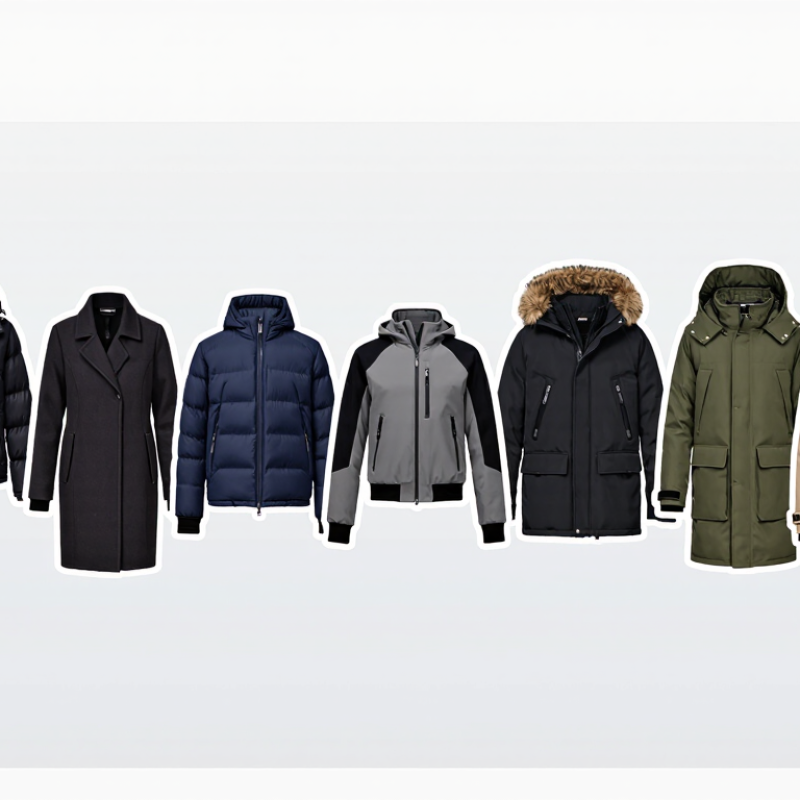
Men’s padded outerwear is best classified by insulation, length, construction, and intended weather. Down jackets use feather insulation, which offers excellent warmth with low weight. Synthetic insulated jackets resist moisture better and dry faster after light rain. Puffer jackets usually have visible quilted sections, while quilted coats may use slimmer, more formal panels. Parkas extend below the hips and often include hoods, storm flaps, and several pockets. Fit changes everything.
A padded vest protects the torso while leaving the arms free for driving or layering. Bomber-style jackets have shorter lengths, ribbed hems, and a compact shape. Anoraks often use a pullover design with a front opening and adjustable hood. Padded overcoats provide extra coverage for colder urban settings. Ski and snow jackets are classified by waterproof shells, sealed seams, powder skirts, and adjustable cuffs. Small details matter.
When assessing these types, check fill weight, insulation distribution, shell fabric, and seam quality. A jacket with thick padding is not always warmer if the wind enters through the cuffs. During wear testing, I look for cold spots around the shoulders, zipper, and lower back. Pocket placement also affects daily comfort, especially with gloves. No system is perfect. A water-resistant shell may still fail during prolonged rain, while heavy insulation can restrict movement. These limits deserve attention before choosing a coat.
| Type of Padded Outerwear | Typical Length | Common Insulation | Quilting or Construction | Weather Protection | Key Identifying Features | Typical Use |
|---|---|---|---|---|---|---|
| Down Puffer Jacket | Waist to hip | Goose or duck down, often blended with feathers | Horizontal or vertical baffles that keep the fill distributed | High warmth-to-weight ratio; usually needs a water-resistant shell for light moisture | Visible rounded chambers, lightweight construction, compressible insulation, and a high warmth level | Cold urban commuting, travel, and dry winter conditions |
| Synthetic Puffer Jacket | Waist to hip | Polyester or other man-made staple or filament fibers | Stitched channels, bonded panels, or fiber-filled compartments | Maintains more insulating performance than down when damp; commonly paired with a water-repellent shell | Plush padded appearance, quick-drying insulation, and reliable performance in variable weather | Daily wear, travel, light hiking, and humid climates |
| Longline Padded Coat | Mid-thigh to knee | Down, synthetic insulation, or a combination of both | Large or narrow quilted sections extending over the torso and upper legs | Greater body coverage and wind protection than shorter jackets; water resistance depends on the shell fabric | Extended silhouette, insulated lower body coverage, and often a two-way front zipper | Cold-city commuting and prolonged outdoor exposure |
| Insulated Parka | Hip to mid-thigh | Down or synthetic fill, frequently with a heavier fill weight | Quilted inner insulation combined with a durable outer shell | Often includes a storm flap, adjustable hood, cuffs, and wind-resistant fabric | Longer cut, protective hood, multiple pockets, and design emphasis on wind and cold protection | Severe winter conditions, commuting, and stationary outdoor activities |
| Padded Bomber Jacket | Waist to upper hip | Usually synthetic insulation; some versions use down or down alternatives | Compact quilted body with rib-knit or elasticated hem and cuffs | Good wind protection when the hem and cuffs fit closely; limited leg coverage | Short length, front zip, ribbed edges, rounded volume, and a traditional flight-jacket outline | Casual everyday wear and mild-to-cold urban weather |
| Quilted Field Jacket | Hip to upper thigh | Primarily synthetic insulation, sometimes with a removable quilted liner | Insulated inner layer under a woven outer shell; quilting may be visible or concealed | Generally offers moderate wind and light-rain resistance; protection depends on the shell treatment | Multiple patch or flap pockets, a structured collar, and a practical military-inspired shape | Layered autumn and winter wear, outdoor work, and casual use |
| Insulated Ski or Snow Jacket | Hip to upper thigh | Synthetic insulation is common; some designs use down or hybrid insulation | Body insulation combined with a technical shell and articulated panel construction | Designed for snow and wind; commonly features a water-resistant or waterproof shell, powder skirt, and adjustable hood | Wrist gaiters, snow skirt, lift-pass pocket, helmet-compatible hood, and movement-friendly cut | Skiing, snowboarding, and active winter sports |
| Insulated Rain Shell or Padded Hardshell | Hip to mid-thigh | Usually lightweight synthetic insulation; may have a removable insulated liner | Technical outer shell with sealed or protected seams and an integrated or detachable padded layer | Prioritizes rain and wind protection; waterproof performance depends on the membrane, coating, and seam construction | Storm hood, waterproof front closure, adjustable cuffs, and a shell designed for wet conditions | Cold rain, wet commutes, hiking, and changeable weather |
| 3-in-1 Insulated Jacket System | Hip to upper thigh | Removable synthetic or down-insulated inner jacket | Separate insulated layer secured inside a weather-resistant outer shell | Offers adaptable wind and rain protection when the shell is worn; warmth increases when both layers are combined | Compatible zippers, snaps, or attachment loops that allow the inner and outer layers to be worn together or separately | Year-round layering, travel, hiking, and variable climates |
| Padded Gilet or Insulated Vest | Waist to hip | Down, synthetic fill, or recycled polyester fibers | Quilted front and back panels with open arm areas for unrestricted movement | Protects the torso from wind and cold while providing less coverage for the arms | Sleeveless design, lightweight layering profile, zip or snap front, and compact packability | Transitional weather, active layering, and use over shirts or under shells |