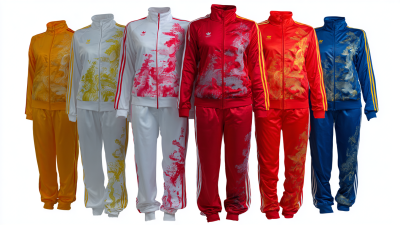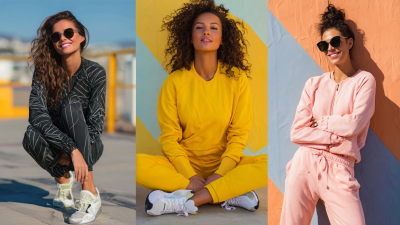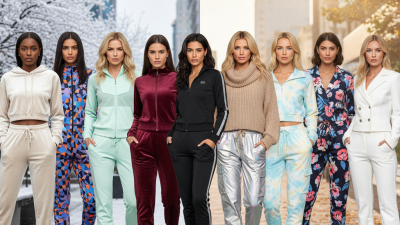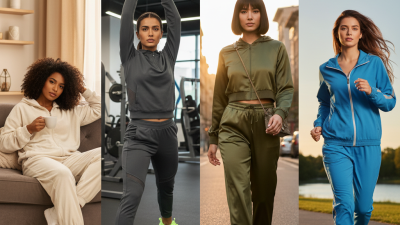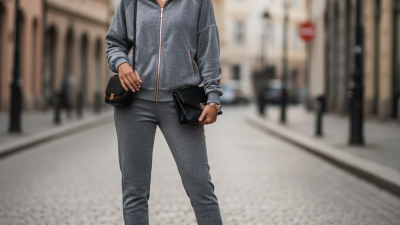
Choosing the right Women's Tracksuits requires more than following seasonal fashion. Global buyers must compare fabric performance, construction quality, sizing, and supplier reliability. A polished photo can hide thin fleece, weak zippers, or uneven stitching. Real purchasing decisions begin with details.
This guide examines ten practical tracksuit types for different markets, climates, and customer needs. It considers cotton blends for everyday comfort, moisture-wicking sets for training, and insulated designs for colder regions. Lightweight nylon options may suit warm cities, while velour styles can support relaxed, fashion-led collections. Each category reflects a different balance of comfort, durability, appearance, and cost.
Material labels matter. A 280 GSM cotton blend feels different from a 180 GSM polyester shell. Buyers should request samples, wash-test garments, and verify measurements before placing large orders. Supplier experience also matters, especially when grading sizes across several countries. Certifications and factory documentation should be checked through reliable, current sources.
There is no universal best choice. A popular cut in one market may feel restrictive elsewhere. Even accurate size charts cannot replace physical fitting tests. That limitation deserves attention. Trends can also change before inventory arrives, creating avoidable pressure for buyers. Therefore, this overview focuses on adaptable designs, transparent evaluation, and realistic sourcing decisions. The ten types below can help importers, retailers, and private-label brands build collections with stronger practical value. The recommendations are useful, but they still require local market research.
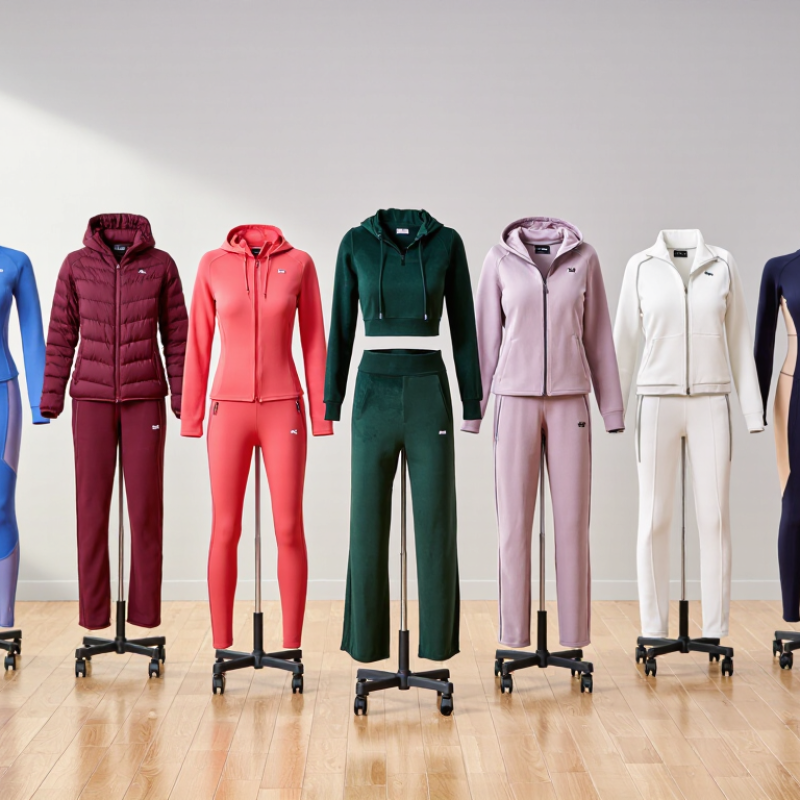
Women’s tracksuits are moving beyond basic gymwear. From 2024 to 2028, the category may expand at an estimated 5–7% CAGR. This outlook reflects rising athleisure use, flexible work routines, and demand for comfortable travel clothing. The ten strongest types include slim-fit, oversized, velour, fleece-lined, lightweight summer, cropped, modest, recycled-fabric, plus-size, and performance tracksuits. Each serves a different purchasing purpose.
Regional demand indicators are useful, but they need careful reading. North America often favors relaxed fits, soft fabrics, and versatile color sets. European buyers may prioritize tailoring, recycled materials, and seasonal layering. East Asian markets commonly show interest in compact silhouettes and coordinated styling. In the Middle East, breathable fabrics and longer coverage can influence product selection. South American demand may respond strongly to price, durability, and bright color options. These patterns are not universal. Local surveys and sales data still matter more than assumptions.
Tips: Ask suppliers for fabric weight, shrinkage results, size charts, and colorfastness records. Test zippers, waistbands, and seam strength after repeated washing. Compare reorder rates, not only first-order volume. A 5–7% forecast is helpful, yet it can hide inflation, weather shifts, or uneven regional recovery. Buyers should keep a small test order before committing to broad inventory. Mistakes happen, especially when trend reports replace direct customer feedback.
Top 10 Types of Women's Tracksuits for Global Buyers
A practical ten-type taxonomy starts with training, running, lounge, modest, and seasonal sets. Training tracksuits need stretch, secure pockets, and abrasion-resistant panels for repeated gym use. Running sets should manage sweat, reduce chafing, and include reflective details for low-light routes. Lounge tracksuits favor brushed softness, relaxed silhouettes, and quiet waistbands. Modest sets require longer tops, wider leg coverage, and breathable layering without excessive weight.
The remaining five types are summer, winter, transitional, travel, and recovery tracksuits. Summer sets suit lightweight jersey, mesh inserts, and quick-drying finishes. Winter versions need thermal layers, wind resistance, and room for base garments. Transitional sets work across changing temperatures, often using removable layers. Travel designs benefit from wrinkle resistance and concealed pockets. Recovery tracksuits prioritize gentle compression, soft seams, and easy movement after exercise.
Grand View Research has projected continued growth in the global athleisure market through 2030, while McKinsey’s State of Fashion reports highlight comfort and versatility as durable apparel priorities. These findings support adaptable sets, but they do not replace product testing. A buyer should check shrinkage, colorfastness, seam strength, and fit across several body shapes. Small details matter. The categories also overlap, and that is useful. A modest running set may need winter layering, while a lounge set may become travelwear. Report figures vary by market, so regional climate, sizing habits, and return data deserve equal attention.
Top 10 Types of Women's Tracksuits for Global Buyers
Fabric weight often determines whether a women’s tracksuit feels versatile or uncomfortable. For mild climates, 150–220 GSM can provide breathability without looking thin. Cooler markets may prefer 230–300 GSM for warmth and stronger shape retention. A dense fabric can still feel clammy if moisture cannot escape. That detail is easy to miss.
Elastane content usually ranges from 10–30% in performance-focused styles. Around 10–15% may support comfortable movement and lower material cost. Higher levels can improve stretch recovery around knees, hips, and cuffs. However, more elastane does not automatically mean better quality. Poor knitting or heat exposure may cause bagging after repeated wear. Test recovery after stretching, not only before production.
Wicking performance needs a defined test method. Measure spreading speed, drying time, and moisture movement on the inner surface. Record results after several home-laundering cycles, using the target care instructions. A fabric may pass when new but lose performance after washing. It happens. Buyers should request test temperature, humidity, specimen size, and laboratory conditions. Small differences can change the result. We also recommend wearing sample garments during walking, commuting, and light training. Lab data offers control; real movement reveals pressure points, trapped heat, and noisy fabric. Fit, seam construction, and pocket placement still matter, even when the numbers look excellent.
| Rank | Tracksuit Type | Recommended Fabric Construction | Typical Weight | Elastane Content | Moisture-Wicking Benchmark | Breathability / Comfort Target | Best Use Case | Key Buyer Quality Checks |
|---|---|---|---|---|---|---|---|---|
| 1 | Performance Training Tracksuit | Polyester interlock with mechanical stretch and moisture-management finish | 180–220 GSM | 12–18% | Vertical wicking height: ≥100 mm in 30 minutes; drying time: ≤45 minutes | Air permeability: 80–140 mm/s; soft inner face | Gym training, studio workouts, warm-ups and team travel | ColorfastnessPilling grade ≥4Stretch recovery |
| 2 | Running Tracksuit | Lightweight polyester knit with perforated or mesh ventilation panels | 150–190 GSM | 10–15% | One-way transport index: ≥100%; drying time: ≤35 minutes | Air permeability: 120–200 mm/s; low garment weight | Road running, outdoor jogging and pre-race layering | Reflective detail adhesionSeam strengthLow shrinkage |
| 3 | Yoga and Pilates Tracksuit | Nylon-polyester blend with brushed or peach-finished stretch jersey | 190–240 GSM | 20–30% | Vertical wicking height: ≥80 mm; drying time: ≤50 minutes | High extensibility; four-way stretch with recovery ≥85% | Yoga, Pilates, mobility training and low-impact exercise | Squat opacityWaistband recoveryFlat seams |
| 4 | Athleisure Velour Tracksuit | Polyester velour or cotton-polyester velour with a smooth tricot backing | 260–300 GSM | 10–15% | Vertical wicking height: ≥50 mm; drying time: ≤90 minutes | Moderate breathability; soft hand feel prioritized over fast drying | Travel, casual wear, lifestyle collections and cool-weather layering | Pile sheddingColor migrationWash durability |
| 5 | Warm-Up Track Jacket and Trouser Set | Polyester tricot or double-knit fabric with smooth outer surface | 200–260 GSM | 10–15% | Vertical wicking height: ≥70 mm; drying time: ≤60 minutes | Air permeability: 60–120 mm/s; moderate thermal retention | Sports team warm-ups, school programs and event uniforms | Zipper functionLogo-free panel consistencyAbrasion resistance |
| 6 | Outdoor Wind-Resistant Tracksuit | Wind-resistant polyester woven shell with stretch jersey or mesh lining | 180–240 GSM | 10–18% | Vertical wicking height: ≥60 mm; drying time: ≤70 minutes | Air permeability: 20–60 mm/s; balanced wind protection and ventilation | Outdoor walking, commuting, light hiking and transitional weather | Spray rating ≥80Seam sealingWind resistance |
| 7 | Fleece-Lined Winter Tracksuit | Polyester-cotton or polyester-spandex fleece with brushed interior | 280–300 GSM | 10–15% | Vertical wicking height: ≥45 mm; drying time: ≤120 minutes | Lower air permeability; thermal insulation and softness prioritized | Cold-weather commuting, leisurewear and outdoor warm-ups | Fleece sheddingThermal retentionDimensional stability |
| 8 | Compression-Inspired Tracksuit | Dense nylon-polyester circular knit with high stretch and recovery | 220–280 GSM | 20–30% | Vertical wicking height: ≥90 mm; drying time: ≤50 minutes | Four-way stretch; recovery after extension should be ≥85% | Fitness, strength training, dance and fitted athleisure styling | Opacity under tensionPressure comfortSeam durability |
| 9 | Plus-Size Comfort Tracksuit | Midweight cotton-polyester jersey or interlock with controlled stretch | 220–280 GSM | 10–20% | Vertical wicking height: ≥60 mm; drying time: ≤75 minutes | Soft touch, reduced cling and stable shape across extended sizes | Everyday comfort, walking, travel and inclusive-size collections | Graded fitWaistband roll resistancePilling grade ≥4 |
| 10 | Recycled-Fiber Sustainable Tracksuit | Recycled polyester interlock or double knit with elastane stretch yarn | 180–260 GSM | 10–20% | Vertical wicking height: ≥80 mm; drying time: ≤60 minutes | Air permeability: 70–140 mm/s; performance should match conventional polyester | Eco-positioned activewear, retail collections and corporate programs | Fiber-content verificationColorfastnessRecycled-content documentation |
Testing note: Values are practical development benchmarks for bulk sourcing. Final acceptance should be based on the agreed fabric standard, garment sample, size range, color, and laboratory test method.
Global buyers often compare fleece, velour, cotton, knit, and lightweight performance tracksuits. Compliance must guide every selection. Under EU REACH, fabrics, dyes, prints, elastics, and metal trims should be screened for restricted substances. Request current laboratory reports for each material batch. A certificate alone may not prove the finished garment is compliant.
CPSIA CPSIA applies mainly to products intended for children, but buyers must confirm the product category and sales channel. If a tracksuit could be marketed to young users, testing for lead, phthalates, flammability, and tracking labels may become important. ISO 3758 helps suppliers present washing symbols clearly. Care labels should match the actual fabric behavior, especially after repeated washing. They should not promise more than testing supports.
Tips: Add size tolerances to the purchase agreement. A practical range may cover chest, waist, hip, inseam, and sleeve length. For example, ±1 cm can affect a fitted jacket noticeably. Check ten garments from different cartons, not only one sample. A recurring mistake is approving a perfect sample while production shifts by two centimeters. Keep measurement records, lab reports, fiber details, and label artwork together. The checklist is useful, but it can still miss uneven shrinkage or color transfer after washing.
Commercial comparison matters more than appearance. The ten common options include cotton fleece, French terry, velour, rib-knit, cropped, oversized, fitted, seamless, recycled polyester, and lightweight nylon sets.
Cotton fleece usually needs an MOQ of 300–500 sets, while custom seamless styles may require 800–1,200 sets.
Standard designs can ship within 30–45 days. Complex dyeing, embroidery, or bonded seams often extend production to 60 days.
Landed cost includes fabric, labor, packaging, freight, duties, and inspection. A French terry set may cost 18–24% more than basic polyester after freight and duty. Lightweight nylon can reduce shipping weight, but specialized fabric raises the unit price.
UNCTAD’s Review of Maritime Transport 2024 recorded 2.4% maritime trade growth in 2023, yet route disruption still creates unstable freight quotations. Allow a 5–10% logistics buffer. Small orders rarely absorb these changes well.
McKinsey’s State of Fashion 2024 projected only 2–4% industry growth, making inventory discipline important. For price-sensitive buyers, fleece and French terry offer safer demand forecasts. For premium positioning, velour, seamless, and recycled polyester provide stronger storytelling, but certification and testing add time.
These are working estimates, not promises. I would not trust a 30-day quote without a confirmed fabric booking.
A practical buying sheet should compare MOQ, sample approval, 30–60-day production timing, freight mode, duty rate, and final landed cost per set.